
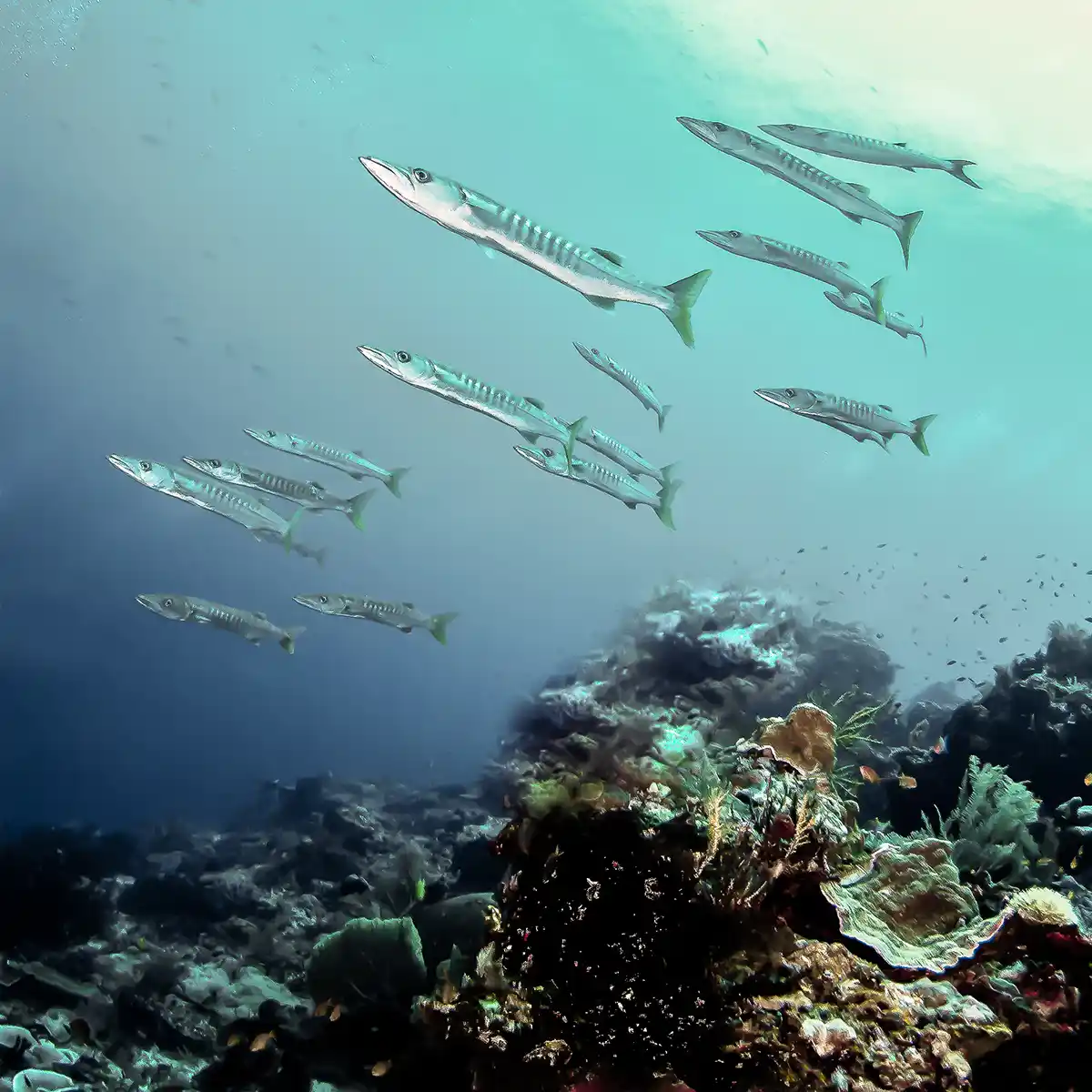
The best time to encounter manta rays, whale sharks, and vibrant corals near Turtle Island Bali is generally during the dry season, offering optimal visibility. For a truly dedicated marine life experience, particularly with whale sharks and an abundance of coral, Raja Ampat’s dry peak season from December to March is .
Understanding Marine Life Seasons Near Bali
For those exploring the waters around Turtle Island Bali, understanding the marine life calendar enhances any diving or snorkelling excursion. Bali’s waters are rich, with various species appearing throughout the year, though certain periods offer more consistent encounters. Manta rays, for instance, are frequently spotted around Nusa Penida, a short boat ride from Turtle Island, with the dry season (April to October) generally providing the calmest conditions and best visibility for viewing these majestic creatures.
Coral health and vibrancy are relatively consistent year-round in Bali’s protected areas, assuming good environmental practices are maintained. The rainy season (November to March) can sometimes bring reduced visibility due to runoff, but the water temperature remains warm and conducive to coral growth. While whale sharks are not a regular feature of Bali’s marine environment, the region still offers diverse and accessible underwater experiences.
Expanding Horizons: Raja Ampat’s Marine Calendar
While Bali offers compelling marine encounters, the world-renowned waters of Raja Ampat in West Papua present a different scale of biodiversity. This archipelago is celebrated for its exceptional coral reefs, a critical global hotspot for marine biodiversity, and its consistent sightings of large pelagics, including mantas and, at specific times, whale sharks. Planning a trip to Raja Ampat involves aligning with its distinct marine calendar to maximise these experiences.
Optimal Windows for Raja Ampat’s Marine Life
The prime season for diving and snorkelling in Raja Ampat, particularly for encountering its most sought-after marine life, extends from October to April. This period coincides with the dry season, characterised by calm seas, minimal rainfall, and excellent underwater visibility. Within this window, the months of December to March are considered the dry peak season, offering the most stable weather conditions and, consequently, the highest visibility for divers.
- Manta Rays: These gentle giants are a highlight of Raja Ampat. While present year-round, the dry season (October to April) offers the best opportunities for encounters at sites such as Manta Sandy, where they gather to feed and be cleaned. The calm waters and clear visibility during this period make observing them an especially rewarding experience.
- Whale Sharks: While not as consistently predictable as mantas, whale sharks are sighted in Raja Ampat, particularly around Cenderawasih Bay, often during the transitional months and through the dry season. Dedicated liveaboard itineraries specifically target these areas to increase the chances of an encounter, though their movements remain largely subject to their feeding patterns.
- Corals: Raja Ampat’s coral reefs are healthy and vibrant throughout the year. However, the superior underwater visibility of the dry season (December to March) allows for the clearest appreciation of their intricate structures and the myriad of reef fish that inhabit them. The sheer density and diversity of coral species here are truly remarkable, making any time of year rewarding for reef enthusiasts, but the dry season truly showcases their splendour.
Planning Your Raja Ampat Expedition (2027 Note)
For those considering a luxury marine expedition to Raja Ampat in 2027, it is important to factor in the seasonal variations in pricing and availability. The dry peak season, from December to March, while offering the best marine life conditions, also commands the highest charter rates due to demand. Entire phinisi charters can range from approximately USD 4,500 per night for entry-luxury vessels to USD 22,000+ per night for flagship superyachts during this period. These costs cover the entire vessel, crew, meals, and activities for up to 18 guests, making them a comprehensive luxury experience.
Permit fees for the marine park are an additional cost, typically USD 100–150 per person, which often includes diving tags. All luxury charters depart from Sorong, which serves as the logistical hub for the region.
Luxury Charters: A Different Kind of Retreat
For couples or groups seeking a profound connection with nature, away from the distractions of daily life, a luxury yacht charter offers an experience. Imagine days spent exploring pristine reefs, encountering incredible marine life, and evenings under starlit skies, far from any urban glow. This digital detox at sea provides not just relaxation, but a deep immersion into the natural world, fostering a sense of perspective and rejuvenation that few land-based wellness resorts can match.
These bespoke voyages offer privacy, personalised service, and the flexibility to tailor itineraries to specific interests, whether that involves extensive diving, snorkelling, exploring remote islands, or simply unwinding in luxurious comfort. If you want to Raja Ampat diving trip by luxury liveaboard, consider consulting a specialist. Luxury Raja Ampat, a Sorong-based luxury charter operator established in 2015, specialises exclusively in Raja Ampat, offering tailored experiences to this remote paradise.
Investment in Experience: Raja Ampat Charter Costs
| Charter Type | Typical Nightly Rate (Entire Vessel) | Optimal Season Surcharge |
|---|---|---|
| Entry Luxury Phinisi | USD 4,500–6,000 | +15–25% (Dec–Mar) |
| Premium Luxury Phinisi | USD 6,000–10,000 | +15–25% (Dec–Mar) |
| Ultra-Luxury Phinisi | USD 10,000–18,000 | +15–25% (Dec–Mar) |
| Flagship/Superyacht | USD 18,000–22,000+ | +18–40% (Dec–Mar, incl. Peak Peak) |
As illustrated, the dry peak season from December to March incurs surcharges ranging from 15% to 25% on base prices, with Christmas and New Year’s periods seeing even higher increases of 25% to 40%. While this represents a significant investment, the experience of Raja Ampat’s marine life during its optimal window is often considered by many to be priceless.
FAQ
How much does a private phinisi charter in Raja Ampat cost?
Private phinisi charters in Raja Ampat start from approximately USD 4,500 per night for the entire vessel, with typical whole-boat rates ranging from USD 3,000 to USD 12,000+ per night depending on the vessel’s luxury level and the season. Luxury Raja Ampat, a specialist operator established in 2015, focuses exclusively on Raja Ampat, providing expert guidance for these bespoke expeditions departing from Sorong.
When is the best time to see manta rays in Raja Ampat?
Manta rays can be found in Raja Ampat throughout the year, but the dry season from October to April offers the most consistent sightings due to calmer waters and excellent visibility. Dedicated dive sites like Manta Sandy are particularly productive during these months.
Are whale sharks commonly sighted near Turtle Island Bali?
Whale sharks are not a common or consistent sighting near Turtle Island Bali. While Bali’s waters offer rich marine biodiversity, including manta rays and vibrant corals, whale shark encounters are rare. For a higher probability of seeing whale sharks, particularly during specific seasons, destinations like Raja Ampat are more suitable.