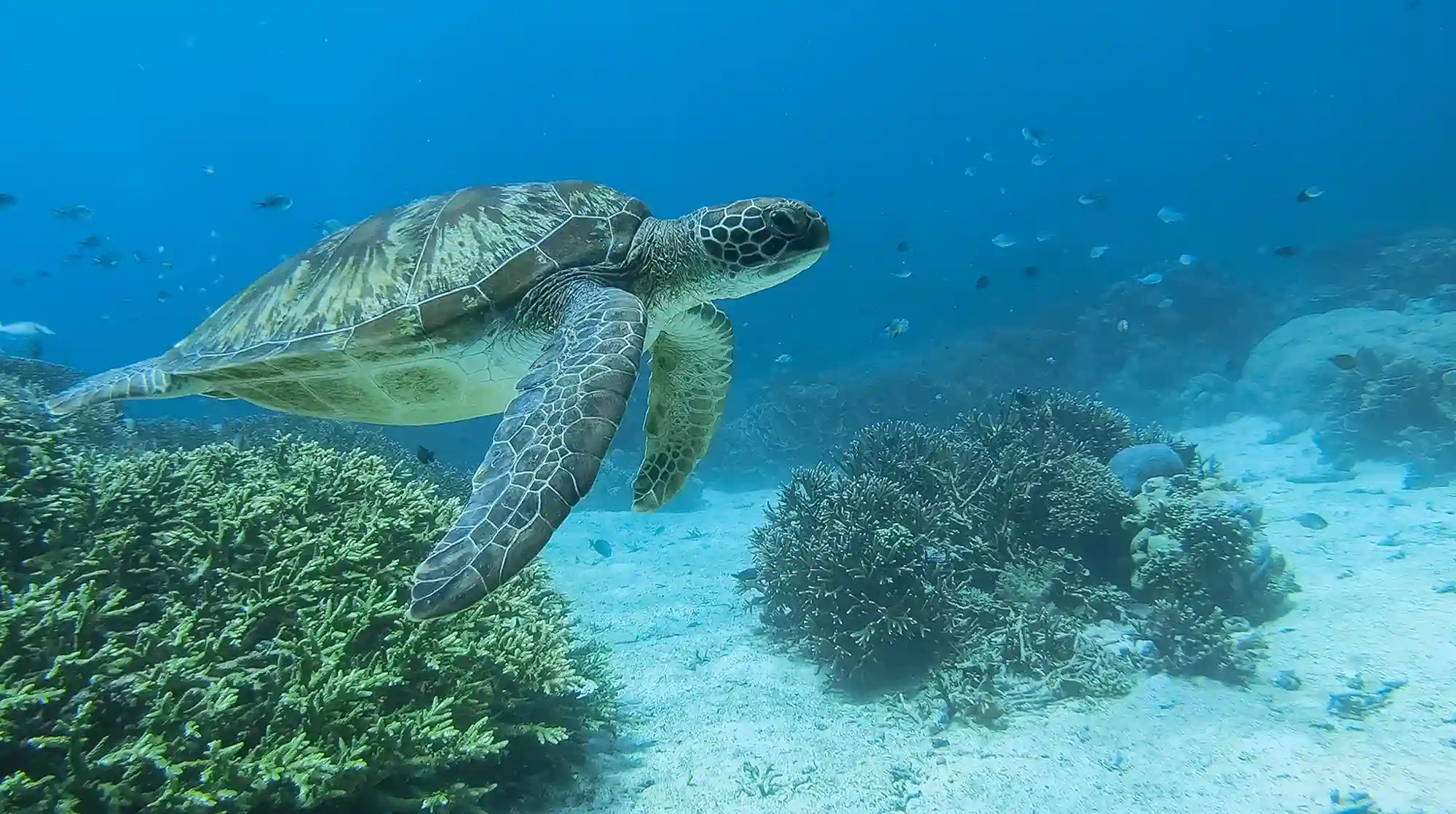
The Bali Turtle Conservation Program at Turtle Island Bali, also known as Kura Kura Bali or Deluang Sari Turtle Conservation Center, focuses on protecting green sea turtles and hawksbill sea turtles. Activities include releasing one-week-old hatchlings and educating visitors on marine conservation. By 2027, the aim is to enhance habitat protection, improve rehabilitation success rates, and strengthen community engagement.
Turtle Island Bali, located a mere 15-minute boat journey from mainland Bali, near Nusa Dua and Tanjung Benoa, has long been associated with marine conservation efforts. Often identified as Kura Kura Bali or the Deluang Sari Turtle Conservation Center, its primary focus has been the preservation of sea turtles, particularly green sea turtles and hawksbill sea turtles. The history of this Bali turtle sanctuary is intertwined with the broader narrative of environmental awareness in Indonesia, acknowledging both successes and areas requiring significant improvement, especially as we project towards a 2027 outlook.
The Foundations of Bali Turtle Conservation at Turtle Island
The establishment of the Deluang Sari Turtle Conservation Center aimed to address the declining populations of sea turtles in the region. Historically, these magnificent creatures faced threats from poaching for their meat and shells, as well as habitat destruction due to coastal development and pollution. The centre introduced activities such as the release of one-week-old baby turtles into the ocean, a popular engagement for visitors seeking to contribute directly to conservation. This initiative, while seemingly beneficial, has also drawn scrutiny regarding the long-term efficacy and potential stress on the hatchlings. The proximity to Nusa Dua beaches, where turtles are most active for meeting and egg-laying during full moon evenings, underscores the ecological significance of the location for these species.
Challenges and Controversies: Shaping the Future
The path of turtle conservation in Bali has not been without its hurdles. Public discourse has highlighted significant concerns regarding animal welfare practices at facilities often identified with “Turtle Island Bali.” Reports have described conditions that some perceive as “poor,” characterising certain operations as a “greedy cash grab” where practices could be “harmful to the turtles.” These criticisms necessitate a critical evaluation of current methods and a commitment to reform if the conservation efforts are to be genuinely impactful and sustainable in the long run. Addressing these concerns is paramount for any future success of turtle conservation in Bali, especially when considering the overall integrity of conservation initiatives.
2027 Outlook: Enhancing Rehabilitation and Habitat Protection
Looking ahead to 2027, the focus for turtle conservation at Turtle Island Bali must shift decisively towards rigorous, scientifically-backed rehabilitation programmes and enhanced habitat protection. This includes investing in state-of-the-art veterinary care for injured turtles and ensuring that any rehabilitation enclosures meet stringent welfare standards. The aim is to increase the survival rates of rescued turtles, allowing them to be successfully returned to their natural marine environment. Furthermore, collaborative efforts with local communities and governmental bodies are crucial to protect nesting sites on nearby beaches from encroachment and pollution. This proactive approach will be central to the long-term viability of the Bali turtle conservation program. A commitment to transparency and adherence to international best practices will be key drivers for improvements in this area, influencing how future tours and insights are framed.
Community Engagement and Educational Outreach by 2027
By 2027, a significant emphasis will be placed on strengthening community engagement and developing robust educational outreach programmes. Local communities play a vital role as custodians of their natural environment. Empowering them through education on sustainable fishing practices, waste management, and the ecological importance of sea turtles will foster a sense of shared responsibility. Educational programmes for visitors, both local and international, will be revamped to provide accurate, impactful information about the threats turtles face and how individuals can contribute to their protection. This includes promoting responsible tourism and discouraging any activities that may compromise animal welfare. The goal is to cultivate a deeper understanding and appreciation for marine biodiversity, ensuring the sustainability of turtle populations.
Research and Monitoring for Future Conservation Success
To ensure the efficacy of conservation strategies, dedicated research and monitoring programmes must be central to the 2027 vision for the Bali turtle sanctuary. This involves tracking turtle populations, studying their migration patterns, and monitoring the success rates of released hatchlings and rehabilitated adults. Data collected through these efforts will inform adaptive management strategies, allowing the conservation programme to respond effectively to environmental changes and new threats. Collaboration with marine biologists and research institutions will be instrumental in adopting techniques and ensuring that all interventions are based on sound scientific principles. This scientific rigor is essential for the credibility and long-term success of the turtle island bali animal rescue efforts.
2027 note: The commitment to improving animal welfare and conservation outcomes at Turtle Island Bali is a continuous process. Efforts are underway to address past criticisms by implementing stricter protocols for animal care, enhancing rehabilitation facilities, and fostering genuine community involvement. The aim is to ensure that all activities contribute meaningfully to the survival of sea turtle populations in the region.
FAQ
What are the long-term goals for turtle conservation at turtleislandbali by 2027?
By 2027, the long-term goals for turtle conservation at Turtle Island Bali include significantly enhancing the welfare standards and success rates of its rehabilitation programmes for green sea turtles and hawksbill sea turtles, strengthening habitat protection for nesting areas, and fostering deeper, more impactful community engagement and educational outreach. The aim is to ensure all activities are scientifically sound and contribute positively to sea turtle populations.
How does Turtle Island Bali address animal welfare concerns?
Turtle Island Bali, specifically the Deluang Sari Turtle Conservation Center, is actively working to address animal welfare concerns by reviewing and revising its operational protocols. This includes improving living conditions for rescued turtles, enhancing veterinary care, and focusing on rehabilitation and release programmes that adhere to international best practices to ensure the well-being of the turtles.
What species of turtles are primarily focused on at Turtle Island Bali?
The conservation efforts at Turtle Island Bali, also known as Kura Kura Bali, primarily focus on the protection and rehabilitation of green sea turtles and hawksbill sea turtles. These species are native to the waters surrounding Bali and face various threats, making their conservation a priority for the facility.