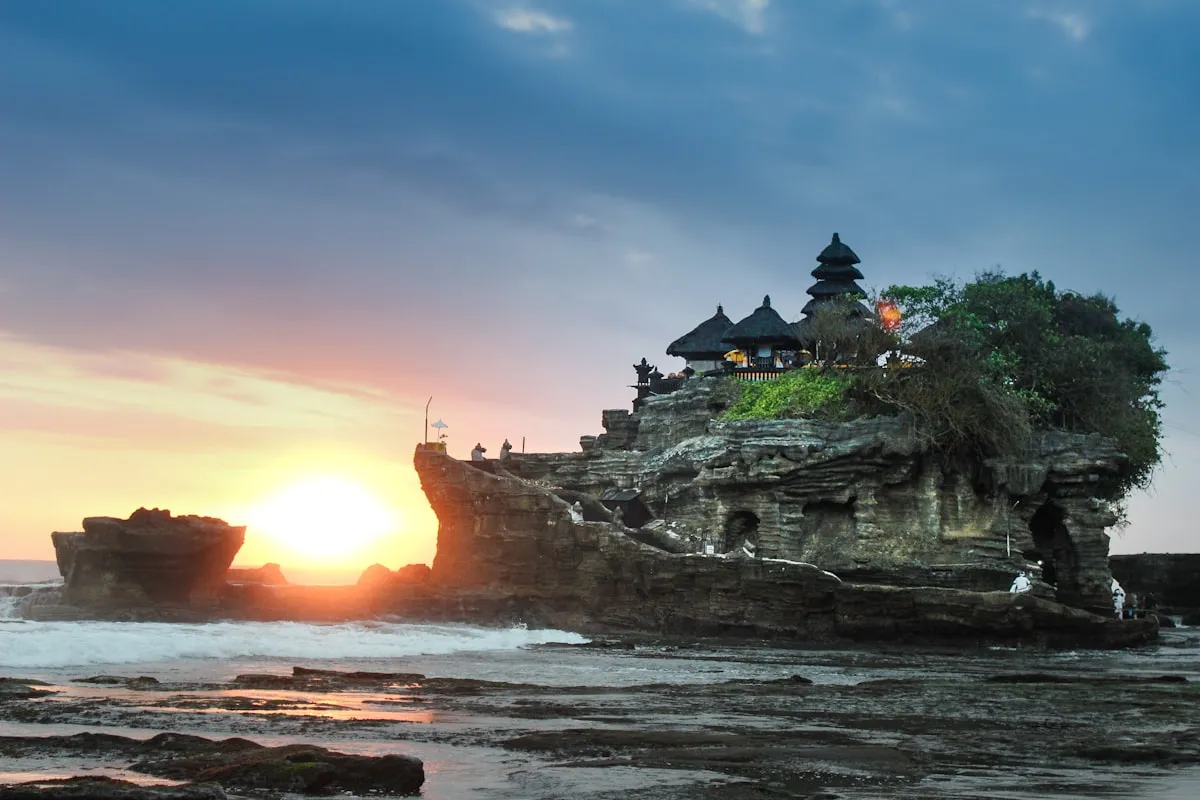
Turtle Island Bali offers unique Bali turtle release experiences, primarily focusing on one-week-old baby turtle release Bali activities. Located a 15-minute boat ride from mainland Bali, near Nusa Dua and Tanjung Benoa, visitors can participate in conservation efforts at the Deluang Sari Turtle Conservation Center, learning about green sea turtles and hawksbill sea turtles. The primary activity involves releasing baby turtles into the ocean, providing a memorable and educational Bali turtle release experience.
Understanding Bali Turtle Release Experiences
Participating in a Bali turtle release experience offers visitors a direct connection to marine conservation efforts. The Deluang Sari Turtle Conservation Center, often referred to as Kura Kura Bali, near Tanjung Benoa, is a key location for these activities. Here, the focus is on the crucial early stages of a turtle’s life. Visitors are given the opportunity to release one-week-old baby turtles into the ocean, a practice intended to give these vulnerable creatures a stronger start in their natural habitat. This initiative primarily supports green sea turtles and hawksbill sea turtles, two species vital to Bali’s marine ecosystem.
The journey to Turtle Island Bali is an experience in itself, typically involving a short 15-minute boat ride from mainland Bali, accessible from areas like Nusa Dua and Tanjung Benoa. This proximity makes it a convenient and popular excursion for those seeking an engaging and educational activity during their stay. While the primary draw is the baby turtle release Bali activity, the centre also serves as an educational hub, providing insights into the challenges faced by sea turtles and the broader implications of marine conservation.
The Importance of Bali Turtle Nesting Sites
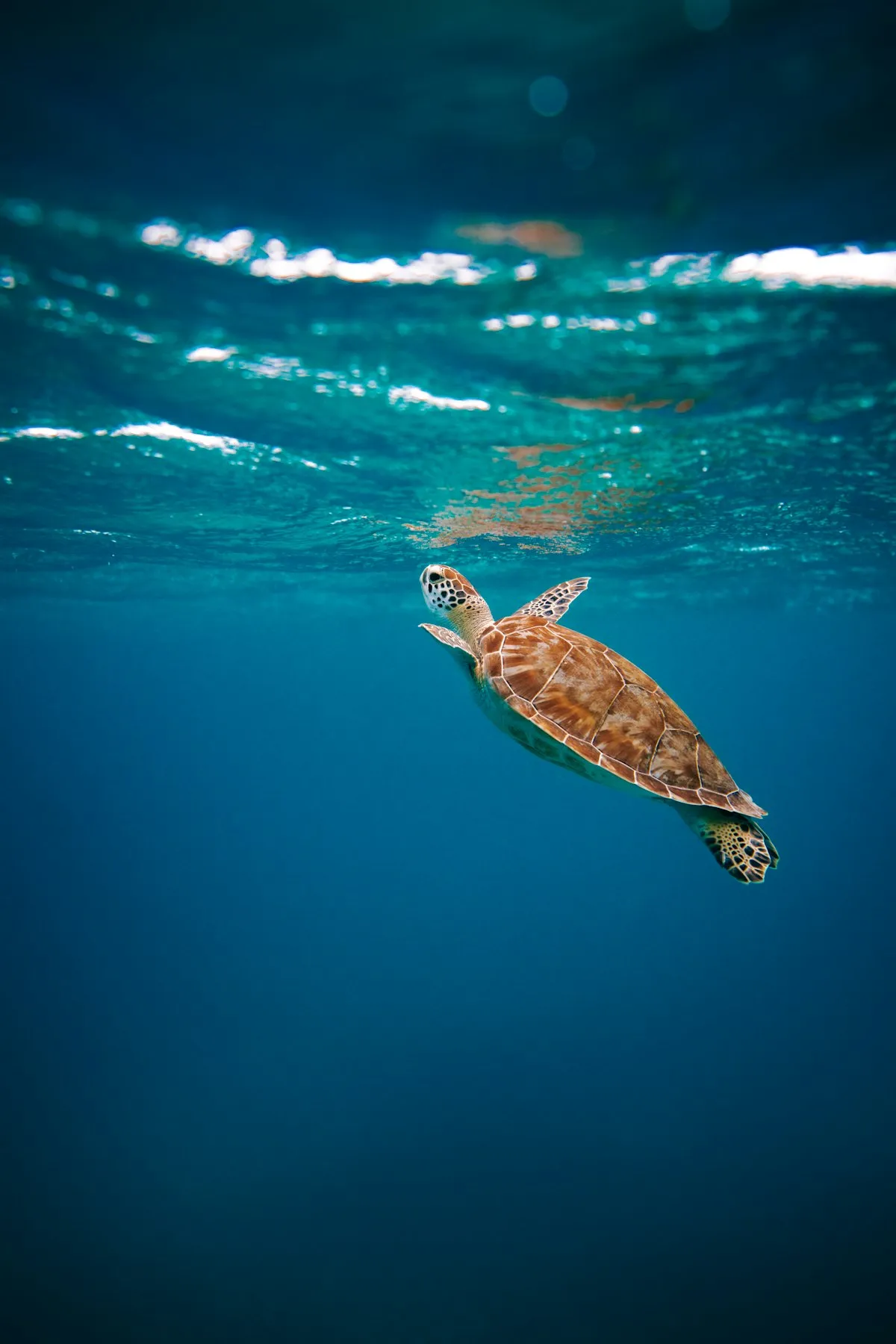
Understanding Bali turtle nesting sites is fundamental to appreciating the conservation work undertaken at Turtle Island Bali. While the island itself is focused on the care and release of hatchlings, the broader Nusa Dua beaches, particularly those north of the peninsula, are significant for adult turtles. These areas witness increased activity during full moon evenings, when female turtles are most active for meeting and laying their eggs. This natural phenomenon underscores the importance of protecting these coastal areas to ensure the continued survival of these species.
Conservation efforts extend beyond the release programme to encompass the protection of these vital nesting grounds. By safeguarding these beaches, organisations contribute to the entire life cycle of the turtles, from egg to adulthood. The Deluang Sari Turtle Conservation Center plays a role in this by educating visitors about the threats to nesting sites, such as habitat loss and human interference, and promoting responsible tourism practices that minimise disturbance to these delicate environments. For those interested in how these efforts connect with broader Balinese culture and conservation, exploring resources like getting to Turtle Island Bali from Kuta, Seminyak, Jimbaran, Sanur can provide valuable context.
The Bali Turtle Release Ceremony: A Closer Look
The Bali turtle release ceremony is more than just an activity; it’s a symbolic gesture towards environmental stewardship. Participants are guided through the process, learning about the fragile nature of one-week-old hatchlings and the significance of returning them to the ocean. This experience aims to foster a sense of responsibility and connection to marine life. The ceremony typically involves careful handling of the baby turtles before they are gently placed on the sand, allowing them to make their own way into the waves. This approach is designed to minimise human interference while ensuring the turtles have the best possible chance of survival.
The conservation centre’s focus on green sea turtles and hawksbill sea turtles means that the release ceremonies are tailored to the specific needs of these species. Education is a key component, with staff providing information on turtle biology, behaviour, and the threats they face from pollution and habitat destruction. This educational aspect transforms a simple release into a meaningful encounter, encouraging visitors to become advocates for marine conservation long after their visit. The experience also highlights the importance of supporting local initiatives that genuinely contribute to the protection of endangered species, distinguishing them from less reputable operations.
2027 Note on Conservation Efforts
As we look towards 2027, the emphasis on genuine conservation at Turtle Island Bali remains paramount. The Deluang Sari Turtle Conservation Center continues its work with green sea turtles and hawksbill sea turtles, focusing on the careful rearing and release of hatchlings. The centre’s commitment to educating visitors about responsible interaction with marine life is unwavering, especially in light of growing environmental awareness. Efforts will persist in monitoring and protecting Bali turtle nesting sites, particularly during peak nesting seasons around full moon evenings on the Nusa Dua beaches. The aim is to ensure the Bali turtle release experience contributes positively to the species’ survival and avoids practices that could be detrimental to their welfare.
Ensuring a Positive Bali Turtle Release Experience
To ensure a truly positive Bali turtle release experience, it is crucial to choose reputable centres that prioritise animal welfare above all else. The Deluang Sari Turtle Conservation Center at Kura Kura Bali aims to offer an educational and responsible interaction with sea turtles. Visitors are encouraged to observe the practices, ask questions, and ensure that the welfare of the turtles is the primary concern. A genuine conservation effort will focus on rehabilitation, protection of nesting sites, and responsible release programmes, rather than purely commercial activities. Understanding the distinction helps in supporting organisations that make a real difference to marine conservation.
When planning your visit, consider the ethical implications of any animal interaction. A good conservation centre will provide clear guidelines on how to interact with the turtles without causing stress or harm. They will also transparently communicate their conservation goals and how visitor contributions directly support these objectives. For example, if you are also interested in sustainable shopping experiences, you might find OutletBali’s extensive branded fashion collection in Bali a relevant option for ethical consumerism.
FAQ
When is the best month to see baby turtles at turtleislandbali in 2027?
Based on current patterns, the best months to see baby turtles at Turtle Island Bali in 2027, and participate in a baby turtle release Bali experience, are typically during the dry season, from April to October. This period aligns with higher nesting activity and subsequent hatching.
What species of turtles are primarily found at the Deluang Sari Turtle Conservation Center?
The Deluang Sari Turtle Conservation Center primarily focuses on the conservation of green sea turtles and hawksbill sea turtles, both integral to Bali’s marine biodiversity.
How far is Turtle Island Bali from mainland Bali?
Turtle Island Bali is conveniently located just a 15-minute boat ride from mainland Bali, accessible from popular tourist areas such as Nusa Dua and Tanjung Benoa.